

Hidden Costs of Pollution in Building Materials
News
Pollution in Building Material Production: A Bigger Problem Than Imagined
For decades, the construction industry has operated on a traditional mindset: as long as materials meet technical requirements, have good durability, and reasonable costs, they are considered sufficient. However, as the world enters an era of environmental crises, with worsening air pollution and climate change, people are increasingly realizing that the price of building materials does not reflect the “true total cost” borne by society and businesses. Behind every brick, ton of steel, or bag of cement are hidden costs – environmental degradation, health impacts, and carbon emissions – which are not included in the sale price but quietly affect the entire lifecycle of a building.
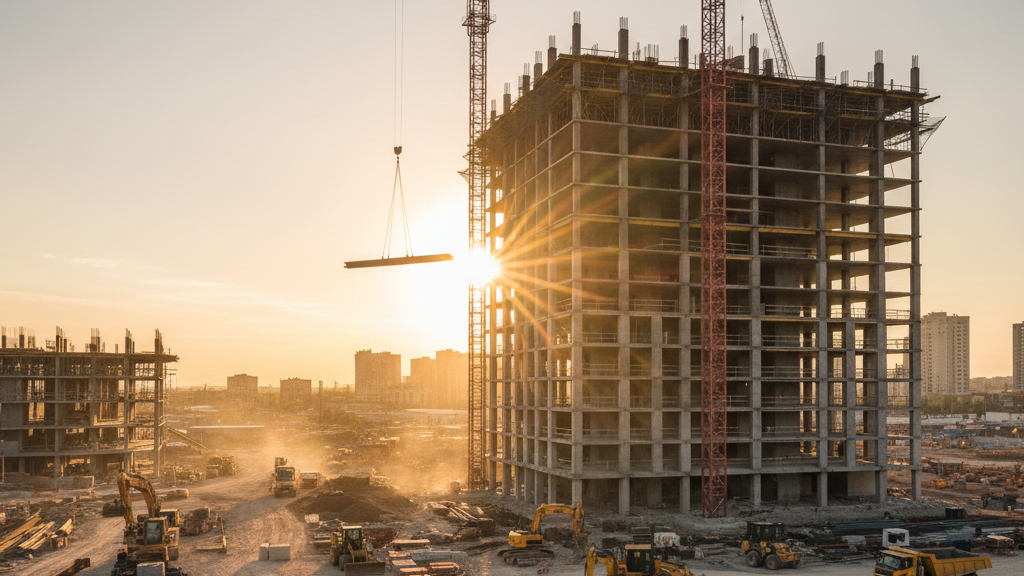
One of the largest sources of emissions comes from common building materials such as cement and steel. Cement production accounts for about 7–8% of global CO₂ emissions, primarily from clinker heating, which requires extremely high temperatures. Costs such as air quality degradation, public health impacts, or ecosystem damage are completely excluded from the cement price. Similarly, the steel industry uses coke, generating PM2.5 dust, SO₂, NOx, and a range of other pollutants. Steel mills often report higher rates of respiratory illness, reduced labor productivity, and increased healthcare costs – all hidden costs borne by society instead of being reflected in cheap steel prices. Even traditional materials like fired clay bricks have significant impacts through clay extraction, which reduces agricultural land, and small-scale kilns that release large amounts of smoke and dust. Therefore, the price of bricks does not accurately reflect their true cost when land loss, air pollution, and resource degradation are taken into account.
How Hidden Costs Affect Investors and the Real Estate Market
Many developers assume that pollution costs in material production do not directly concern them. In reality, these costs return to directly affect them through three factors: regulatory compliance costs, operational costs, and real estate market risks. As Vietnam moves closer to the Net Zero 2050 goal, a series of regulations on emissions inventories, energy efficiency, and green materials will gradually become mandatory. Buildings using high-emission materials face not only the risk of fines but also may need material replacements in later stages, increasing construction and operational costs. Meanwhile, unsustainable materials raise long-term operational costs due to energy loss, high heat absorption, shorter lifespan, and frequent maintenance needs. Many studies show that green materials such as low-E glass, lightweight concrete, and non-fired bricks can reduce operational costs by 10–30%, creating significant differences throughout the building lifecycle.
From a market perspective, ESG trends are reshaping investment behavior. International investors prefer projects with green certifications such as LEED or EDGE. Numerous studies indicate that LEED/EDGE-certified buildings are often valued 5–11% higher, have better occupancy rates, and attract high-quality tenants. Conversely, non-green buildings are less competitive, harder to attract funding for, especially in the office, hotel, and professional accommodation segments.
Building Lifecycle: Where Hidden Costs Become Most Apparent
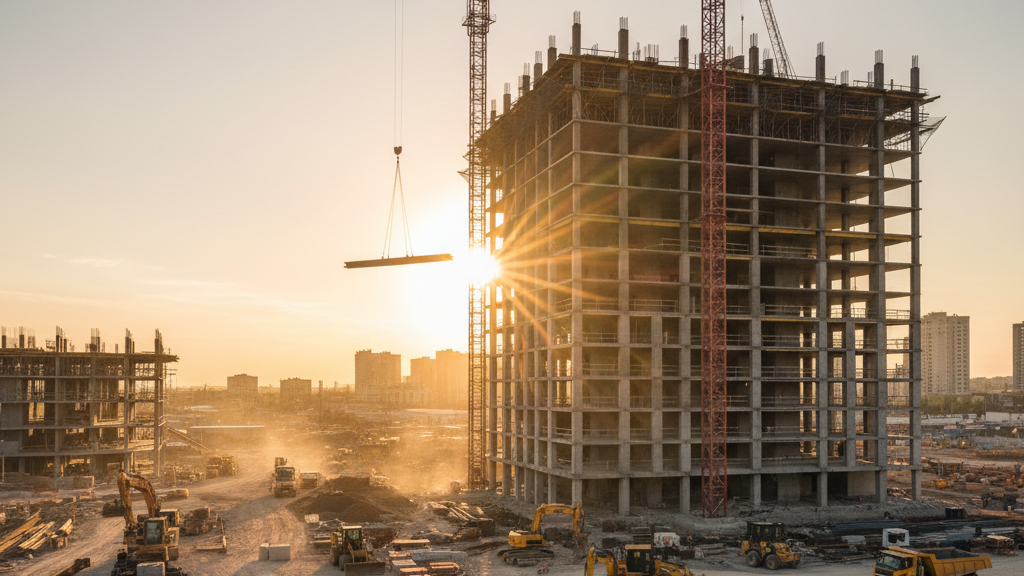
Another important factor is the building lifecycle cost. Many businesses focus only on initial construction costs, which account for about 20–30% of total costs, neglecting operational and maintenance costs over 30–50 years, which make up 70–80%. Using high-emission or low-quality materials forces buildings to spend significantly more on air conditioning, ventilation, maintenance, and even addressing indoor health issues. Materials with high VOCs deteriorate indoor air quality, causing headaches, allergies, and reduced user productivity. Poor insulation materials lead to energy loss, continuously driving up electricity costs. At the end of the lifecycle, materials that are difficult to recycle increase demolition and waste disposal costs manyfold.
LEED and EDGE: Solutions to Reduce Hidden Material Costs
In this context, green building certifications such as LEED and EDGE become powerful tools to help developers minimize hidden costs. LEED evaluates comprehensively from material sourcing, product lifecycle, recyclability, to energy and water efficiency. Implementing LEED, consultants assist developers in selecting materials with low embodied carbon, reducing carbon emissions, and optimizing natural lighting and ventilation, thereby lowering operational costs. EDGE – suitable for developing markets like Vietnam – requires at least 20% savings in energy, water, and embodied material carbon. This flexible standard has low implementation costs but clear benefits, enabling developers to optimize lifecycle costs while meeting international standards.
The economic advantage of green buildings is not only reflected in operational savings but also in increased asset value and reduced risk. A LEED or EDGE-certified building provides a positive image and demonstrates a long-term strategic vision. In a world increasingly imposing carbon taxes, requiring emissions reporting, and tightening material standards, non-green buildings will inevitably become outdated, more costly, and less attractive in the market. Green buildings are becoming the standard of the future – not only environmentally but also economically.
Inevitable Trend: Green Buildings as the New Standard
On a broader scale, hidden costs from pollution in building materials are gradually becoming real costs. Consequences for health, the environment, energy, and regulation are forcing the construction industry to restructure. The choice between high-emission traditional materials and green materials is no longer an environmental ethics issue but a smart economic decision. Savvy developers look beyond initial costs to consider total lifecycle costs, select sustainable options, and consult LEED/EDGE experts from the pre-design stage. The construction of the future is not about building fast or cheap, but building right – sustainably, energy-efficiently, and responsibly for the environment of future generations.
Conclusion: Hidden Costs Are No Longer “Hidden” – It’s Time to Act
The construction industry stands at a crossroads: either continue using polluting materials and accept exponentially rising lifecycle costs or shift to green materials, sustainable design, and apply LEED/EDGE standards to optimize long-term costs. Investing in green construction is not only an ethical choice but also a smart economic strategy, reducing carbon emissions, saving energy, increasing property value, and improving user health. Decisions made today will shape the quality of life for many future generations, and green construction is the only path to balance environmental, economic, and social benefits.
- Posted on
- December 20, 2022