

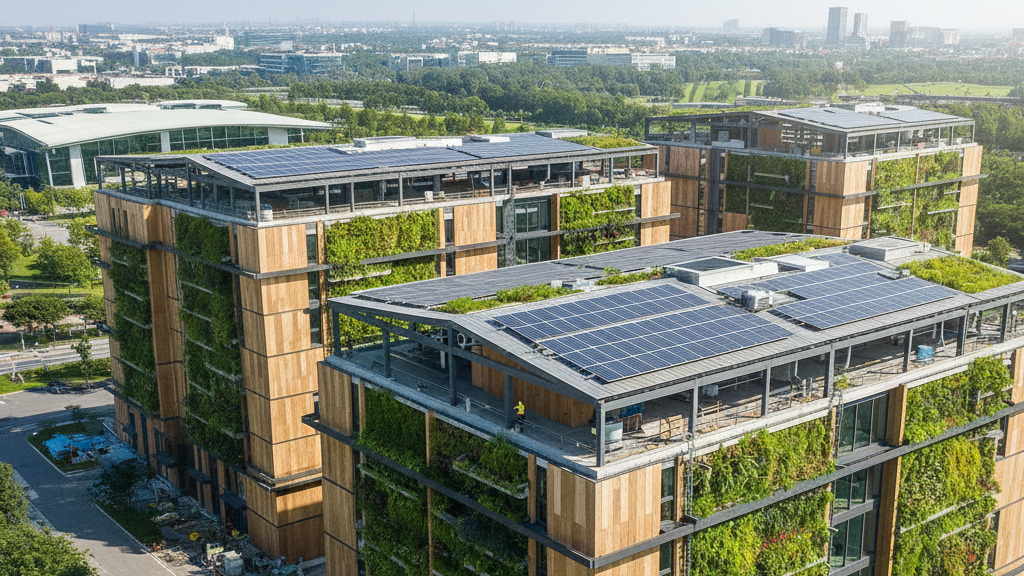
Top 10 Green Building Materials Favored in LEED & EDGE Projects
News
In the context of increasingly important sustainable construction, green building certifications such as LEED (Leadership in Energy & Environmental Design) and EDGE (Excellence in Design for Greater Efficiencies) are not only prestigious symbols but also strategic guides for material selection. The use of green building materials offers clear benefits: reducing carbon emissions, saving energy, and optimizing operational costs—and for these reasons, many developers and architects are choosing the 10 most popular materials.
1. Introduction to LEED & EDGE
LEED is a comprehensive green building certification system developed by the USGBC, applying criteria such as energy, water, materials, and indoor environmental quality.
EDGE is a sustainability standard developed by IFC (World Bank Group), focusing on three main pillars: energy savings, water savings, and material efficiency.
In Vietnam, the number of projects certified by LEED and EDGE is rising rapidly. According to VNEEC reports, by 2024, Vietnam has 559 green buildings certified under LEED, EDGE, and Green Mark.
2. Material Selection Criteria in LEED & EDGE
To achieve high scores in these certification systems, building materials must meet multiple criteria such as:
Life Cycle Assessment (LCA): LEED evaluates the life cycle of materials, encouraging the use of recycled materials, reused materials, or rapidly renewable resources.
Embodied Carbon: EDGE measures the embodied carbon of materials—prioritizing those with lower carbon intensity.
Reuse & Recycling: For example, LEED MR (Materials & Resources) rewards materials with high recycled content or reuse potential.
Rapidly Renewable Sources: Bio-based materials such as bamboo or wood from sustainable forests (FSC)… LEED recognizes rapidly renewable materials (under 10 years).
Low Emissions: Materials with low VOCs, low-emission paints, and third-party certified products… as seen in the VGBC green database.
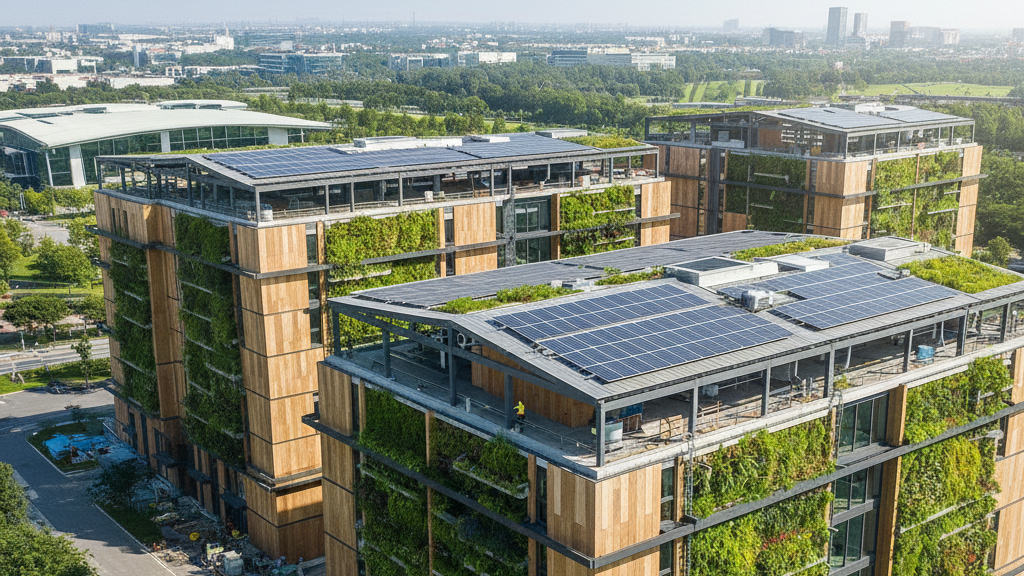
3. Top 10 Green Building Materials Favored
Below are the 10 most common green materials used in LEED and EDGE projects, based on global reports and practice.
Bamboo
- A rapidly renewable resource with high growth rate, lightweight yet strong enough for flooring and interior panels.
- LEED encourages bamboo because it is a “rapidly renewable material” (< 10 years).
- Bamboo reduces pressure on traditional forest timber and is highly suitable for green buildings.
Recycled Steel
- Steel can be recycled almost infinitely without losing structural properties.
- Using recycled steel in reinforced concrete reduces the use of new raw materials and CO₂ emissions.
- LEED MR credits recognize recycled content percentage by weight.
Fly-Ash Concrete
- Fly ash is a byproduct of thermal power plants; using it to replace part of the cement reduces cement consumption and emissions.
- Fly ash brick is lightweight and requires little or no firing, saving production energy.
- LEED allows concrete with ≥ 30% fly ash to be considered “environmentally preferable” under MR credits.
AAC Blocks (Autoclaved Aerated Concrete)
- AAC is autoclaved aerated concrete—lightweight, well-insulated, and reduces structural load.
- In the VGBC database, AAC blocks fall under “non-baked materials,” beneficial for lowering embodied energy.
- Suitable for walls and panels, helping save energy and reduce transportation weight.
Ferrock
- A cement alternative made from recycled steel dust, recycled silica, etc.; when curing, it absorbs CO₂—making it carbon-negative.
- Ferrock can be used for bricks, pavers, and small construction components, significantly reducing Portland cement usage.
Reclaimed Wood
- Wood reused from old structures, fallen trees, or excess timber—offering historical value and sustainability.
- LEED MR credits prioritize FSC wood or materials with high reclaimed content.
- This material is not only green but also aesthetically and culturally valuable.
Hempcrete
- A composite made from hemp fibers and lime; lightweight, insulating, and CO₂-absorbing.
- Used for insulation walls or lightweight components—ideal for green buildings requiring high thermal performance.
Green Insulation Materials
- Types include natural cotton fiber, sheep wool, cork, bamboo flooring, and plant-based insulation.
- These materials typically have low VOCs, safe for indoor air quality—aligned with LEED’s indoor environmental and MR criteria.
Geopolymer Bonded Wood Composite
- This material uses geopolymer binders (recycled materials such as fly ash) combined with wood fibers or shredded wood.
- Advantages: lightweight, moisture-resistant, durable, and utilizes industrial waste—reducing carbon footprint and embodied energy.
High Reflectance / High SRI Materials
- Roofing and paving materials with high Solar Reflectance Index (SRI) help reduce urban heat island effects.
- LEED offers credits for high-SRI roof/paving materials (e.g., SE-5, E-PR-3).
- Using these materials reduces cooling costs and increases roof lifespan.
4. The Role of Green Building Certification Consulting
Choosing the right materials not only helps achieve higher LEED or EDGE scores but also optimizes construction and operational costs.
Early-stage consulting: Green building consultants analyze materials via LCA, model energy savings, and embodied costs to select materials aligned with LEED/EDGE goals.
Cost optimization: Although materials like ferrock or hempcrete may cost more than conventional cement, their carbon absorption, renewability, and long-term energy savings may bring significant value when properly evaluated.
Certification support: Consultants assist with gathering certificates, documentation, LCA reports, recycled content data, and material provenance—critical for LEED/EDGE submissions.
Long-term sustainability: Beyond certification, consultants support performance monitoring (through BMS or post-operation reports) to maintain energy savings and material efficiency.
5. Conclusion: Green Materials – A Strategy, Not Just a Choice
Using the 10 green materials above in LEED and EDGE projects is not only a sustainability trend but also a smart business strategy.
Investing in green materials now aligns with goals of reducing energy costs, lowering emissions, and enhancing the sustainable image of developers.
The role of green building certification consultants is crucial: from design, material selection, and cost calculations—to certification submission and performance monitoring.
In the future, as LEED and EDGE become more widespread, prioritizing green materials will become a clear competitive advantage for green building projects.
Are you in need of LEED, EDGE certification consulting? Contact ISD Engineering now for support!
- Posted on
- September 21, 2022